
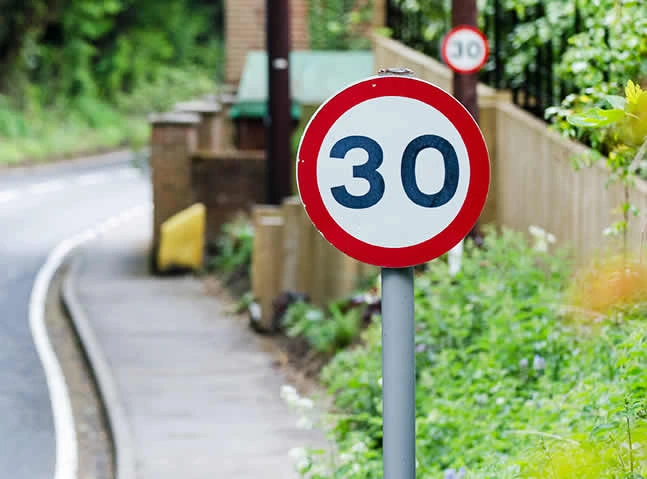
The Importance of Road Speed Limits in Driver Scoring and Reducing Dangerous Driving

When it comes to managing fleet operations or assessing individual driver behavior, speed monitoring is one of the most crucial aspects of modern GPS tracking systems. However, there’s more to safe driving than just observing the maximum speed. The real difference lies in monitoring adherence to road speed limits—a key factor in driver scoring and identifying dangerous driving behavior.

At FLEETTRACKER, we believe in the power of data to help our partners make informed decisions about their drivers and fleet operations. In this article, we’ll explore why tracking road speed limits is essential for improving driver safety, reducing accident risk, and keeping operational costs low.

  1. Prevent Dangerous Driving Behavior: One of the primary reasons speed limits exist is to reduce accidents and ensure the safety of all road users. Driving faster than the posted speed limit significantly increases the likelihood of accidents and creates dangerous driving situations. By integrating real-time speed limit data into driver scoring systems, fleet managers can quickly identify risky behavior. Speeding and Driver Score: Modern telematics platforms like FleetTracker calculate driver scores by comparing a driver’s speed with local speed limits, as well as monitoring other metrics such as harsh braking, harsh cornering, and harsh acceleration. Repeated violations can reduce a driver’s score, signaling a higher risk of accidents. Monitoring this behavior ensures that businesses maintain high safety standards and avoid potential liabilities.
  2. Ensure Legal Compliance and Avoid Penalties: Exceeding speed limits is not just dangerous—it’s illegal. Failing to monitor and correct speeding behavior can lead to costly fines, accidents, and legal issues. Fleet managers can use GPS tracking systems to ensure their drivers follow local laws and regulations, avoiding penalties and keeping insurance premiums low.
  3. Improve Fuel Efficiency and Reduce Vehicle Wear: Speeding isn’t just a safety issue; it also affects fuel efficiency and vehicle maintenance. Higher speeds lead to greater fuel consumption, increasing operational costs. Frequent speeding also accelerates vehicle wear, requiring more frequent repairs and lowering the overall lifespan of fleet vehicles. FLEETTRACKERS’s speed limit tracking promotes fuel-efficient driving, ultimately reducing fuel costs and vehicle wear.
  4. Get More Insight with Road Speed Limits vs. Maximum Speed Monitoring: Many basic tracking platforms simply monitor a vehicle’s maximum speed during a trip. While this data is useful, it doesn’t tell the whole story. A driver may reach the maximum speed limit on a highway and still be driving safely, while another driver might consistently exceed speed limits by 10% in urban areas, which could be far more dangerous. FLEETTRACKER provides deeper insights by comparing driver speed with posted road limits in real-time. This gives fleet managers a clearer picture of their drivers’ behavior and helps identify patterns that require intervention.

Conclusion

In today’s competitive landscape, it’s more important than ever to ensure your fleet operates safely, efficiently, and in full compliance with traffic laws. By monitoring road speed limits — not just maximum speeds — FLEETTRACKER helps businesses reduce accidents, lower operational costs, and improve overall fleet performance.

 Free Consultation

Not sure where to begin? Contact us today and our experts will:

Whether you’re a small business or an enterprise with complex needs, we’re here to guide you through the setup and beyond.


  Let's talk

Telephone

1 888 220 8833

Email Address

hello@fleettracker.ca